





Product Specifications
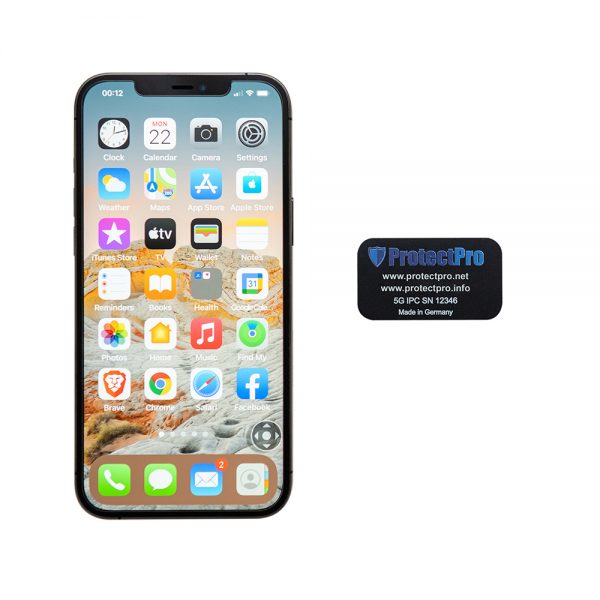
- 52 mm x 30 mm x 0.8 mm 1 Gramm
- 2.1” x 1.2” x 0.03” 0.04 oz
Understanding Electromagnetic Exposure
Everyday technologies such as cell phones, Wi‑Fi routers, GPS devices, cordless phones, and smart systems emit electromagnetic fields (EMF). These fields continuously surround the human body during daily use.
- The human body is commonly cited as tolerating exposure levels below 100–120 microwatts per square meter.
- A typical cell phone can emit 2,000–6,000 microwatts per square meter during calls.
According to statements attributed to German House Biologists, exposure levels above 1,000 microwatts per square meter are classified as “of major concern for health.”
Growing Exposure in Modern Life
Human exposure to man‑made electromagnetic radiation is higher today than at any point in history. With no signs of reduction, exposure continues to increase due to:
- Cell phones and cell towers
- Wi‑Fi systems
- Smart meters
- GPS and radar systems
- Electric and combustion engine vehicles
- Computer monitors and household electronics
- Microwave ovens
These sources operate continuously in homes, workplaces, schools, hospitals, restaurants, shopping centers, public transportation, and outdoor spaces.
Natural vs. Man‑Made Electromagnetic Fields
Naturally occurring electromagnetic fields originate from:
- The sun
- Outer space
- The earth itself (including geopathic zones)
These natural fields are generally more orderly compared to man‑made microwave radiation, which carries vast amounts of encoded data and information. This complexity may place additional stress on biological systems.
Sensitivity and Perceived Effects
While some individuals may not consciously perceive electromagnetic exposure, a growing number of people report sensations such as discomfort or unease. Sensitivity can vary widely because each human body responds differently to environmental influences.
Children, adolescents, and pregnant women are often cited as more vulnerable due to developing biological systems.
Wi‑Fi and Modern Wireless Technologies
- Wi‑Fi operates in a frequency range similar to microwave ovens.
- Newer technologies such as 5G extend beyond traditional frequency ranges.
Numerous publications and independent research sources have raised concerns about the long‑term biological impact of prolonged exposure on humans, animals, insects (including bees), and plant life.
Health Concerns Discussed in Research Literature
Various publications and advocacy organizations have discussed possible associations between prolonged electromagnetic exposure and health challenges, including effects on:
- Nervous and cardiovascular systems
- Sleep quality and concentration
- Energy levels and mental well‑being
- Immune and endocrine function
It is often noted that exposure standards such as SAR (Specific Absorption Rate) were established by industry bodies, not independent governmental health authorities.
Awareness & Ongoing Debate
Electromagnetic exposure remains a topic of global debate. Many researchers, authors, and organizations continue to publish findings and raise awareness, emphasizing the importance of precaution and informed decision‑making.
As commonly stated:
“Follow the money.”
Important Disclaimer
- Individual responses to electromagnetic exposure vary.
- This information is provided for educational purposes only and does not constitute medical advice.
- Always consult qualified professionals for medical concerns.
Return Policy
With all Hi-Energy, ProtectPro and IPCUSA products, all sales are final except in the rare case there has been some type of malfunction in the product. In this situation, an exchange for the identical item ordered will be granted within the period of the 5-Year Warranty IF the item arrives back to our distribution center in "Like New" condition and must contain all original packaging and accessories. "Like New" means that the item(s) you ordered must not have been abused or show any visual signs of wear. Please review Return Policy (click here).
Product Specifications
- 52 mm x 30 mm x 0.8 mm 1 Gramm
- 2.1” x 1.2” x 0.03” 0.04 oz
Understanding Electromagnetic Exposure
Everyday technologies such as cell phones, Wi‑Fi routers, GPS devices, cordless phones, and smart systems emit electromagnetic fields (EMF). These fields continuously surround the human body during daily use.
- The human body is commonly cited as tolerating exposure levels below 100–120 microwatts per square meter.
- A typical cell phone can emit 2,000–6,000 microwatts per square meter during calls.
According to statements attributed to German House Biologists, exposure levels above 1,000 microwatts per square meter are classified as “of major concern for health.”
Growing Exposure in Modern Life
Human exposure to man‑made electromagnetic radiation is higher today than at any point in history. With no signs of reduction, exposure continues to increase due to:
- Cell phones and cell towers
- Wi‑Fi systems
- Smart meters
- GPS and radar systems
- Electric and combustion engine vehicles
- Computer monitors and household electronics
- Microwave ovens
These sources operate continuously in homes, workplaces, schools, hospitals, restaurants, shopping centers, public transportation, and outdoor spaces.
Natural vs. Man‑Made Electromagnetic Fields
Naturally occurring electromagnetic fields originate from:
- The sun
- Outer space
- The earth itself (including geopathic zones)
These natural fields are generally more orderly compared to man‑made microwave radiation, which carries vast amounts of encoded data and information. This complexity may place additional stress on biological systems.
Sensitivity and Perceived Effects
While some individuals may not consciously perceive electromagnetic exposure, a growing number of people report sensations such as discomfort or unease. Sensitivity can vary widely because each human body responds differently to environmental influences.
Children, adolescents, and pregnant women are often cited as more vulnerable due to developing biological systems.
Wi‑Fi and Modern Wireless Technologies
- Wi‑Fi operates in a frequency range similar to microwave ovens.
- Newer technologies such as 5G extend beyond traditional frequency ranges.
Numerous publications and independent research sources have raised concerns about the long‑term biological impact of prolonged exposure on humans, animals, insects (including bees), and plant life.
Health Concerns Discussed in Research Literature
Various publications and advocacy organizations have discussed possible associations between prolonged electromagnetic exposure and health challenges, including effects on:
- Nervous and cardiovascular systems
- Sleep quality and concentration
- Energy levels and mental well‑being
- Immune and endocrine function
It is often noted that exposure standards such as SAR (Specific Absorption Rate) were established by industry bodies, not independent governmental health authorities.
Awareness & Ongoing Debate
Electromagnetic exposure remains a topic of global debate. Many researchers, authors, and organizations continue to publish findings and raise awareness, emphasizing the importance of precaution and informed decision‑making.
As commonly stated:
“Follow the money.”
Important Disclaimer
- Individual responses to electromagnetic exposure vary.
- This information is provided for educational purposes only and does not constitute medical advice.
- Always consult qualified professionals for medical concerns.
Return Policy
With all Hi-Energy, ProtectPro and IPCUSA products, all sales are final except in the rare case there has been some type of malfunction in the product. In this situation, an exchange for the identical item ordered will be granted within the period of the 5-Year Warranty IF the item arrives back to our distribution center in "Like New" condition and must contain all original packaging and accessories. "Like New" means that the item(s) you ordered must not have been abused or show any visual signs of wear. Please review Return Policy (click here).
